
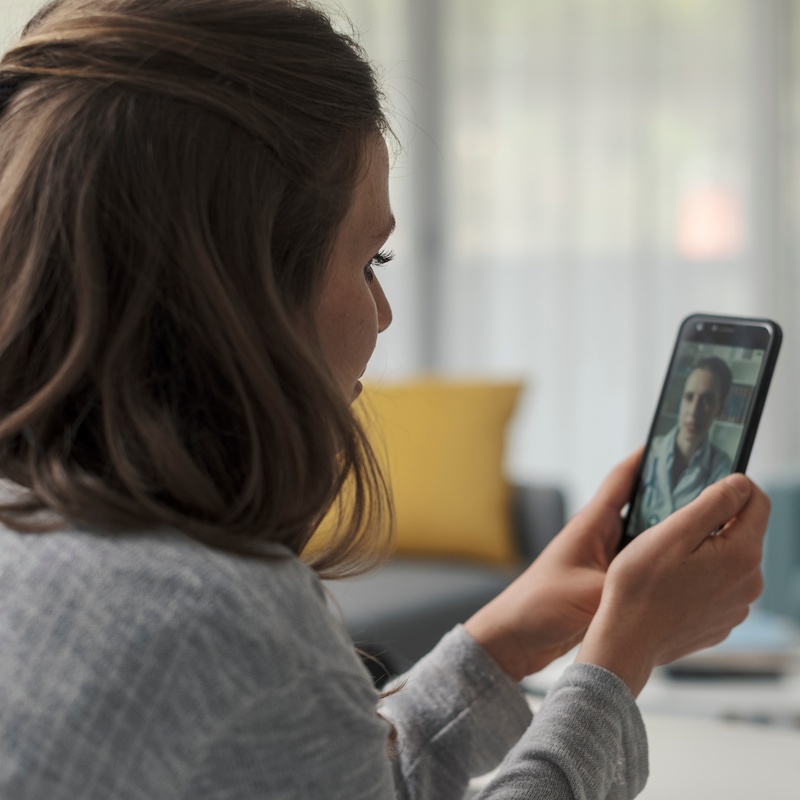
Finding the right therapist can feel difficult when work, school, caregiving, transportation, or health concerns fill your schedule. Telehealth therapy removes some of those practical barriers by letting you meet with a licensed professional through a secure video platform or phone call. You can talk from a familiar space, spend less time traveling, and build mental health care into your routine with fewer disruptions.
Telehealth won’t suit every person or every situation, but it can offer a flexible and comfortable path to support. Explore the reasons telehealth therapy may be the right option for you.
More Scheduling Flexibility
Traditional appointments often require travel time, parking, and extra room in your calendar. Telehealth lets you attend a session from home, a private office, or another quiet location. That flexibility can help when you manage a tight workday, take classes, care for children, or live far from a therapist.
Some therapists also offer early morning, evening, or lunchtime appointments. Those options can make consistent attendance easier. Regular sessions help you maintain momentum and give you more opportunities to work through goals with your therapist.
A More Comfortable Setting
A therapist’s office can feel unfamiliar during your first few visits. Online sessions let you stay in a place where you already feel comfortable. You can sit in your favorite chair, keep a glass of water nearby, or hold a comforting object while you talk.
For many people, telehealth reduces anxiety about seeking support because it removes the stress of entering a waiting room or navigating an unfamiliar building. A familiar setting may help you speak more openly and settle into the conversation sooner.
Access Beyond Your Neighborhood
Your local area may offer only a small number of therapists, especially when you need someone with experience in a specific concern. Telehealth can expand your options within the provider’s licensed service area. You may find a therapist who better matches your goals, communication style, cultural background, or scheduling needs.
Online access can also help people who live in rural areas, have limited transportation, or manage mobility challenges. Instead of choosing the closest available provider, you can focus more closely on fit.
Greater Privacy and Convenience
Some people worry about seeing someone they know near a therapy office. Telehealth lets you attend sessions without sitting in a public waiting room. You can also avoid commuting after an emotional conversation and give yourself time to reflect at home.
Privacy still requires planning. Choose a quiet room, use headphones, silence notifications, and tell other household members that you need uninterrupted time. Ask your therapist how the platform protects your information and what steps you should take before each appointment.
Easier Continuity During Change
Travel, a temporary move, bad weather, or a busy season can interrupt in-person care. Telehealth may help you keep appointments when your location or routine changes, as long as your therapist can legally work with you where you are. Consistent access can support progress when life feels unpredictable.
You can also switch between online and in-person sessions when your therapist offers both formats. That combination gives you more control over how you receive care.
Know When You Need More
Telehealth may not fit emergencies, severe symptoms, or situations that require hands-on medical attention. If you face immediate danger or think you may harm yourself or someone else, contact emergency services or a crisis resource right away. Talk with a qualified professional about the safest level of care for your circumstances.
Choose the Format That Helps
The best therapy format should support honest conversation, steady attendance, and a strong connection with your therapist. Telehealth therapy may be the best option for you and can make care feel more manageable. Consider your needs, ask providers clear questions, and choose the option that helps you show up consistently and engage fully.