
Working out at home has become increasingly popular, offering convenience and flexibility that traditional gyms can’t always match. However, exercising in your own space comes with unique challenges that require careful consideration. Without proper planning and awareness, home workouts can lead to injuries or ineffective training sessions. These effective strategies for safer home workouts will help you create a secure environment while maximizing your fitness results.
Start With Dynamic Warm-Up Exercises
Beginning your workout routine without proper preparation puts unnecessary stress on your muscles and joints. A comprehensive warm-up gradually increases your heart rate, improves blood circulation, and prepares your body for more intense physical activity.
Dynamic movements like arm circles, leg swings, and gentle stretching activate the muscle groups you’ll be using during your main workout. This preparation phase reduces your risk of strains, pulls, and other common exercise injuries. Spend at least five to ten minutes on warm-up activities, focusing on movements that mirror the exercises you plan to perform during your main session.
Create a Dedicated Workout Space
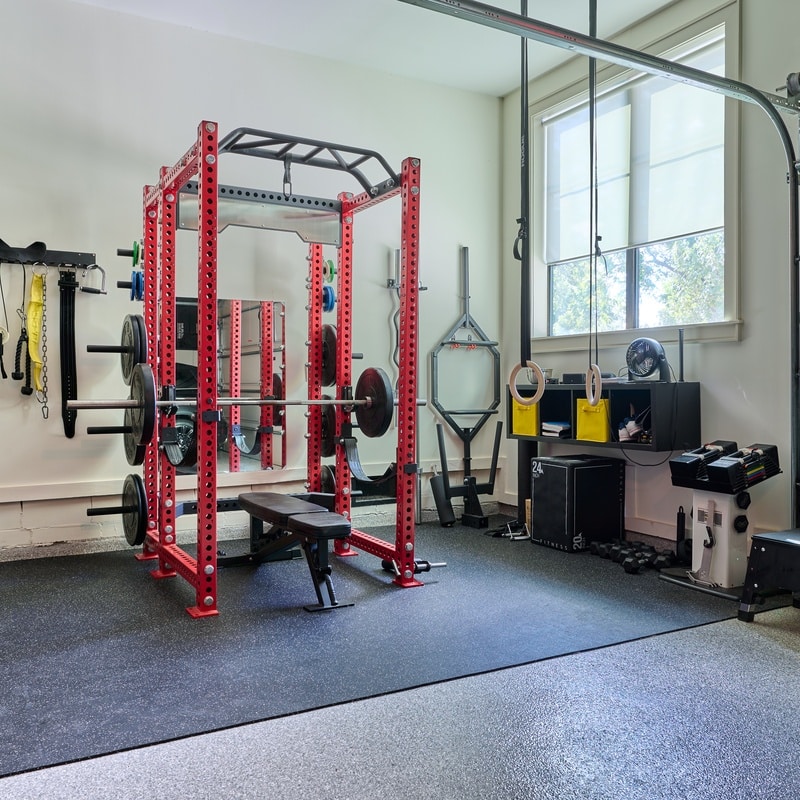
Establishing a specific area for exercise eliminates distractions and creates a safer environment for physical activity. Your designated workout space should have adequate ceiling height, proper ventilation, and sufficient room to move freely without hitting furniture or walls. Remove any obstacles, breakable items, or tripping hazards from the area before beginning your routine.
Consider investing in proper flooring solutions, as anti-fatigue mats for your home gym provide cushioning and stability during various exercises. Good lighting is essential for maintaining proper form and avoiding accidents during workout sessions.
Focus on Proper Form and Technique
Maintaining correct posture and movement patterns protects your body from injury while ensuring you get the most benefit from each exercise. Poor form reduces the effectiveness of your workout and places dangerous stress on joints and muscles. Take time to learn the correct technique for each movement before adding intensity or weight.
Consider using mirrors to monitor your form or record yourself to identify areas for improvement. When in doubt, start with bodyweight exercises and master the fundamentals before progressing to more challenging variations.
Stay Hydrated and Listen to Your Body
Your body provides important signals about its current state and limitations during exercise. Recognizing signs of fatigue, discomfort, or dehydration allows you to make smart decisions about when to push forward and when to rest. Keep water nearby and drink regularly throughout your workout, especially during longer or more intense sessions.
Pay attention to how you feel and don’t ignore pain or excessive fatigue. Rest days are just as important as workout days for preventing injuries and allowing your body to recover properly.
Implementing these effective strategies for safer home workouts will transform your exercise routine into a more productive and injury-free experience. Start incorporating these practices today to build a sustainable fitness habit that supports your long-term health goals.