
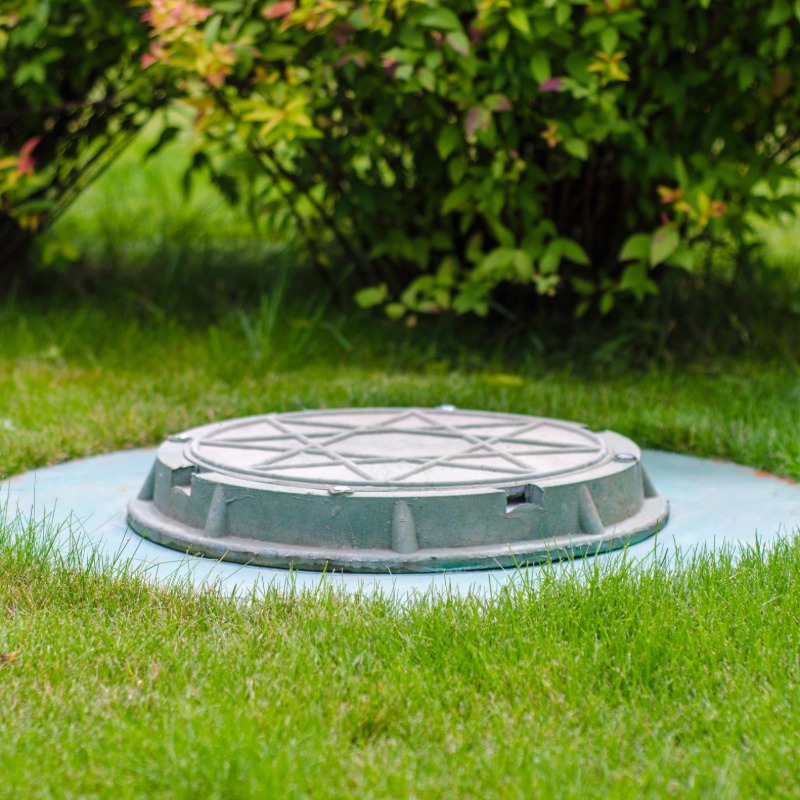
Moving into a home with a septic tank requires a different approach than living in a property connected to a municipal sewer system. While septic systems handle household wastewater effectively, they need proper care and attention to function correctly. Before you move in, it helps to understand how the septic system works, what responsibilities come with ownership, and how your daily habits can affect its performance.
Understand How a Septic System Works
A septic system collects wastewater from your home and sends it to an underground tank. Inside the tank, solids settle to the bottom while oils and grease float to the top. The remaining liquid flows into a drain field, where the soil filters and treats the wastewater.
Knowing the basic process can help you make smarter decisions about water usage and waste disposal. A healthy septic system depends on a balance of bacteria that break down waste, so improper use can create costly problems.
Ask About the System’s History
Before moving in, request records related to the septic system. These documents can reveal valuable information about the tank’s age, size, and service history.
Important details to gather include:
- The date of the last inspection
- Previous pumping schedules
- Repair or replacement records
- The location of the tank and drain field
- Any recurring issues reported by past owners
This information can help you avoid unexpected expenses after moving into the property.
Know What Can and Cannot Go Down the Drain
Many homeowners damage septic systems without realizing it. Unlike city sewer systems, septic tanks cannot handle certain materials and chemicals.
Avoid flushing or draining items such as:
- Wipes labeled as flushable
- Feminine hygiene products
- Paper towels
- Grease and cooking oil
- Harsh chemical cleaners
- Paints and solvents
These materials can clog the tank, disrupt bacterial activity, and shorten the lifespan of the entire system.
Pay Attention to Water Usage
Excessive water use can overwhelm a septic system. When too much water enters the tank in a short period, solids may move into the drain field before they have time to settle properly.
Spread out activities that require large amounts of water, such as laundry and long showers. Fix leaking faucets and running toilets as soon as possible. Small leaks can send hundreds of unnecessary gallons into the system over time.
Plan for Ongoing Care
Every homeowner with a septic system should budget for routine service. Regular septic tank maintenance helps prevent backups, unpleasant odors, and expensive repairs.
Most tanks require pumping every three to five years, although household size and water usage can affect the schedule. Professional inspections can also identify minor issues before they become major problems.
Staying proactive often costs far less than dealing with a failed drain field or a damaged tank.
Learn the Warning Signs of Trouble
Recognizing problems early can save money and reduce property damage. Watch for signs such as slow drains, gurgling pipes, sewage odors, standing water near the drain field, or unusually green patches of grass above the system.
If you notice any of these issues, contact a septic professional right away. Prompt action can prevent a small concern from turning into a major repair project.
Keepin a Clean House
A home with a septic tank can provide reliable wastewater treatment for many years when owners understand their responsibilities. By learning about the system’s history, following proper usage habits, and scheduling regular service, you can protect your investment and enjoy your new home with confidence.