
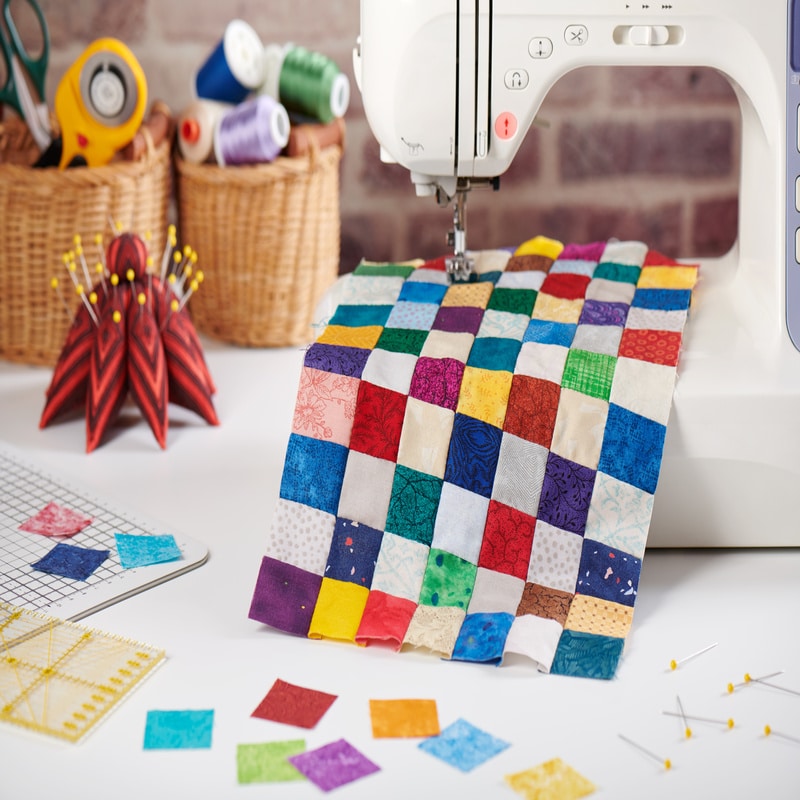
Making a quilt is such a rewarding project, kind of like finally finishing that big puzzle on the dining room table with the kids. You put all this time and love into choosing fabrics and cutting pieces, so you want the final product to look just right. A big part of that is getting those stitches neat and tidy. For anyone looking to make their next project their best one yet, there are a few simple things you can do to improve stitch quality in every quilt.
Check Your Tension
First things first, let’s talk about thread tension. If your stitches look loopy on the top or bottom, your machine’s tension is probably off. It’s a bit like a tug-of-war between the top thread and the bobbin thread. You want them to meet perfectly in the middle of your fabric layers.
Before starting a new quilt, it’s always a good idea to test your stitches on a scrap piece of fabric from your project. Adjust the tension dial a little at a time until the stitches look balanced and even.
Choose the Right Needle
A dull or incorrect needle can cause all sorts of problems, from skipped stitches to snagged fabric. You wouldn’t use a crayon for a watercolor painting, right? The same idea applies here.
It’s important to start each new quilt with a fresh needle. Also, different projects may require different types of quilting machine needles. Using the correct size and type for your fabric and thread makes a huge difference in how smoothly your machine runs and how clean your stitches look.
Clean Your Machine
Now, I know, with everything else going on with the kids, cleaning the sewing machine can fall to the bottom of the list. But a little bit of maintenance goes a long way.
Lint and dust can build up in the bobbin area and under the needle plate, affecting your tension and stitch formation. Taking a few minutes to regularly brush out the fuzz is a simple habit that helps your machine perform at its best.
Slow and Steady Wins the Race
When you’re excited to see the finished quilt, it’s tempting to put the pedal to the metal. However, sewing too fast can lead to uneven, sloppy stitches.
By guiding the fabric through at a consistent, moderate pace, you give the machine time to form each stitch perfectly. It gives you better control and results in a much more professional-looking finish.
There’s just something comforting about settling in for a bit of stitching while the kids work on their crafts nearby. When you take a little time to experiment, tweak your settings, and pay attention to the details, you’ll find you can improve stitch quality in every quilt. And as you sew, you’re building something to keep your family cozy while making memories along the way.