
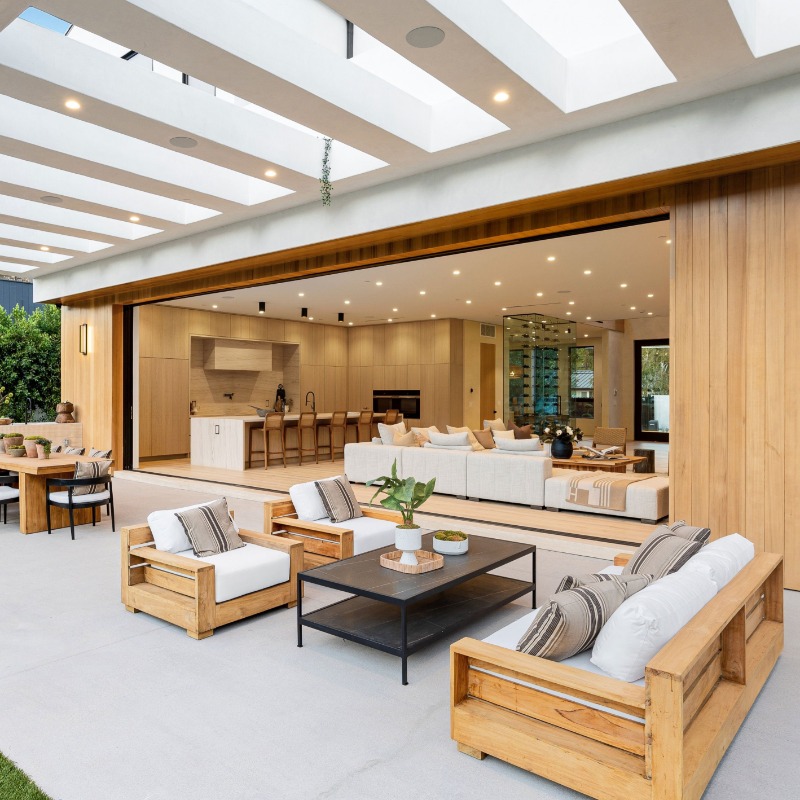
A beautiful backyard can have expensive furniture, gorgeous landscaping, and every trendy accessory imaginable yet still feel strangely incomplete. The difference often comes down to how comfortably a space supports the people who use it. Understanding what makes an outdoor space feel truly finished means looking beyond appearances to consider relaxation, connection, and everyday enjoyment. When thoughtful design meets personal well-being, even a modest outdoor area can become a meaningful extension of home.
Start With the Feeling You Want To Create
Before choosing plants or shopping for furniture, consider how you want to feel when stepping outside. Some people crave a peaceful escape from busy schedules, while others envision a welcoming place for family gatherings. Identifying that emotional purpose guides decisions about layout, lighting, and decorative details. A finished space should reflect your lifestyle rather than somebody else’s perfectly curated social media feed.
Think about the activities that help you recharge after a demanding day. Perhaps you enjoy reading outdoors, practicing gentle yoga, or sharing dinner with friends under the stars. These preferences offer more useful design direction than chasing the latest outdoor decorating trends. When every major element supports your intentions, the entire environment begins to feel more cohesive.
Give Every Area a Clear Purpose
Outdoor spaces become more inviting when their layouts encourage natural movement between activities. A comfortable seating arrangement might anchor a conversation area, while a small dining table creates a dedicated place for meals. Even compact patios benefit from subtle divisions that distinguish relaxation from entertaining. These boundaries establish order without making the environment feel overly structured.
You don’t necessarily need permanent walls or expensive construction to define separate zones. Outdoor rugs, planters, furniture placement, and changes in ground materials can create visual distinctions. A bench positioned near flowering plants might become a quiet reading corner. Meanwhile, a larger seating arrangement can encourage conversation without interrupting the peaceful atmosphere elsewhere.
Create Privacy Without Feeling Closed In
Privacy plays an important role in making outdoor relaxation genuinely restorative. It’s difficult to unwind when nearby windows, busy sidewalks, or neighboring properties leave you feeling exposed. Strategic landscaping and carefully positioned structures can create comfortable separation while preserving natural light. The goal isn’t complete isolation but enough personal space to feel at ease.
Homeowners exploring how to create private outdoor retreats at home can combine natural screening with thoughtful hardscaping. Tall ornamental grasses, layered shrubs, decorative screens, and pergolas offer different degrees of enclosure. Their effectiveness depends on property conditions, maintenance expectations, and the desired level of privacy. The right combination creates a welcoming sanctuary without making the backyard feel disconnected from its surroundings.
Bring Comfort Into the Smallest Details
Comfort extends beyond purchasing cushions that look inviting in photographs. Furniture proportions, seat heights, shade availability, and walking surfaces influence how people experience an outdoor environment. A gorgeous chair becomes considerably less appealing when its position leaves you squinting into afternoon sunlight. Practical decisions often determine whether an outdoor space receives regular use.
Consider how the environment changes throughout the day and across different seasons. Morning sunlight might make one corner ideal for coffee, while afternoon shade could turn another into a favorite gathering place. Weather-resistant textiles and appropriately sized furniture support comfort without requiring constant adjustments. Small conveniences, including accessible side tables and nearby storage, make outdoor living feel effortless.
Use Nature To Support Everyday Wellness
Spending time outdoors can encourage movement, provide opportunities for relaxation, and offer a welcome change of scenery. Natural elements also create sensory experiences that indoor environments sometimes struggle to replicate. Rustling leaves, shifting shadows, and fragrant flowers can make a familiar backyard feel refreshing. These qualities can transform an attractive setting into a place that supports personal well-being.
Consider incorporating elements that engage the senses without overwhelming them, including:
- Fragrant herbs near seating areas for subtle, natural aromas.
- Native plants that attract pollinators and add seasonal interest.
- Comfortable pathways that encourage gentle movement outdoors.
- Small water features that introduce soothing background sounds.
- Shaded seating areas for quiet reflection or mindfulness exercises.
Let Lighting Shape the Evening Atmosphere
Outdoor lighting serves a practical purpose, but its emotional influence deserves equal attention. Bright, poorly positioned fixtures can make an intimate patio feel more like a parking lot. Softer layers of illumination create warmth while helping people navigate pathways and gathering areas. A thoughtful lighting plan extends the usefulness of outdoor spaces after sunset.
Start with functional lighting near stairs, entrances, and frequently traveled routes. Then introduce gentle accent lighting around seating areas, landscaping, or architectural features. Warm-toned fixtures often create a more relaxing atmosphere than harsh, cool illumination. Balance matters because excessive brightness can interfere with the peaceful nighttime environment you’re hoping to enjoy.
Make Room for Personal Expression
A finished outdoor space should communicate something about the people who live there. Decorative details provide opportunities to introduce personality without overwhelming the overall design. Handmade pottery, meaningful artwork, favorite colors, or plants connected to family memories can make the setting feel distinctive. These touches create emotional connections that coordinated furniture collections alone cannot provide.
Personal expression doesn’t require filling every available surface with accessories. In fact, a few carefully chosen objects often make a stronger impression than numerous unrelated decorations. Consider repeating colors or materials throughout the space to establish visual consistency. The result should feel intentional but relaxed enough to accommodate everyday life.
Design for Real Life, Not Just Special Occasions
An outdoor area that looks wonderful during parties but feels inconvenient on ordinary weekdays may need reconsideration. Everyday usability depends on easy access, sensible storage, durable materials, and manageable upkeep. Families might prioritize open play areas, while remote workers may appreciate a shaded spot for occasional laptop use. The most successful layouts adapt to changing routines without requiring constant rearrangement.
Think about how your needs might evolve over the next several years. Flexible furniture arrangements can accommodate guests, quiet afternoons, or changing household priorities. Clear pathways and comfortable seating also makes outdoor environments more welcoming across generations. Designing with adaptability in mind creates lasting value beyond the initial transformation.
A truly finished outdoor space isn’t defined by how much money you spend or how closely it resembles a magazine photograph. Its success comes from the comfort, privacy, and meaningful experiences it offers throughout ordinary life. Thoughtful choices about nature, lighting, furniture, and personal details can turn an overlooked backyard into a restorative retreat. When stepping outside feels like an invitation to slow down and reconnect, the space has achieved something far more valuable than visual perfection.