
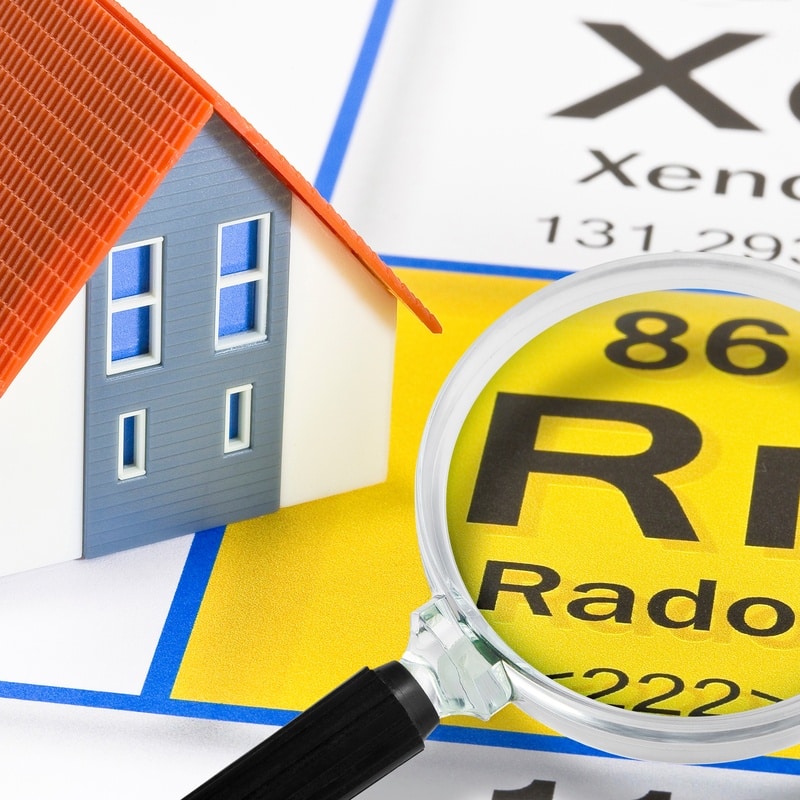
Most homeowners know to check their smoke detectors and change air filters, but few realize how seasonal changes affect radon levels in your home.
Changing weather patterns can dramatically influence indoor radon concentrations. During colder months, homes tend to trap more radon due to reduced ventilation and the stack effect. In contrast, summer conditions can sometimes dilute radon levels, but they can also introduce new entry points through shifting soil and foundation cracks. Let’s explore how radon changes throughout the year and what you can do about it.
How Different Seasons Influence Indoor Radon Levels
Understanding what radon is and how people are exposed to it can help you realize the importance of professional testing. Radon is a radioactive gas that seeps from the ground into your home, and it can cause lung cancer and potentially lead to death. You cannot see it, smell it, or taste it, so professional testing is your only defense against this threat.
Understanding how radon behaves throughout the year can help you take proactive steps to protect your home and family.
Winter
Cold temperatures force homeowners to seal their homes tightly, reducing ventilation and trapping radon inside. As warm indoor air rises, this creates negative pressure that pulls radon from the ground directly into basements and lower levels in a stack effect. Your heating system works against you during the winter by creating powerful suction that draws more radon through foundation cracks and gaps.
Spring and Fall
Spring and fall bring fluctuating temperatures and inconsistent ventilation patterns. Heavy spring rains and melting snow saturate soil, increasing pressure that forces radon into your home through tiny openings. Fall weather patterns create similar conditions as temperatures drop and soil conditions change. These transition periods often catch homeowners unprepared because radon levels spike unexpectedly.
Summer
Open windows during summer months allow radon to dissipate naturally. However, homes that rely heavily on air conditioning remain sealed, creating conditions similar to winter months. Dry summer soil creates new pathways for radon infiltration through foundation cracks and gaps. Air conditioning systems can also create negative pressure zones that increase radon entry points.
Why Seasonal Radon Testing Matters
Winter testing might reveal dangerous radon levels, while summer testing could show falsely low readings. Professional testing during multiple seasons provides a more complete picture of how seasonal changes affect radon levels in your home so you can make informed decisions about your family’s safety. Continuous monitoring systems track radon fluctuations throughout the year, giving you real-time data about your home’s radon levels.
Professional radon testing and mitigation systems provide the ultimate protection against seasonal radon fluctuations. When levels exceed EPA recommendations, mitigation systems actively reduce radon concentrations regardless of weather conditions. Additional services such as crawl space sealing and sump pit solutions create comprehensive barriers against radon infiltration.
1 comment
I will have to look at what levels are like where I live and how the quite dramatic seasonal changes impact that. Very interesting and informative post!