
A basement with exposed concrete and unused furniture still has plenty of potential. Renovating the basement can turn the neglected area into a place you enjoy every single day.
If you want a dedicated environment for exercise and personal wellness, why not transform the unfinished basement into a fitness area? Whether your fitness goals involve strength training or mindful movement, a personalized workout space offers an exciting opportunity to prioritize your health without leaving home.
Choose a Location With Adequate Space
Picture your ideal workout. Are you lifting weights, running on a treadmill, or stretching through a yoga routine? Each activity demands a certain amount of space, so consider how the basement’s layout accommodates your fitness interests. An open section without support columns or awkward corners offers flexibility for exercise equipment and unrestricted movement.
Ceiling height deserves particular consideration since overhead exercises and elevated treadmill decks require sufficient vertical clearance. Electrical outlet locations also influence the ideal position for equipment. By considering these physical limitations as early as possible, choosing an exercise area that’s spacious and practical is a breeze.
Install Vinyl Flooring With Rubber Mats
Nobody wants to finish an intense workout on a cold concrete floor. Fortunately, luxury vinyl plank flooring offers an attractive alternative that suits many basement environments. Its moisture-resistant surface handles occasional spills and routine cleaning, although the concrete subfloor must meet the manufacturer’s moisture requirements before installation.
Rubber exercise mats complement vinyl flooring by providing cushioning and protection beneath fitness equipment. Thick rubber mats help distribute equipment loads and absorb some impact during exercise, although dedicated weightlifting areas may require specialized flooring. Certain rubber products can discolor vinyl, so checking material compatibility is essential. With the appropriate combination, homeowners get a functional exercise surface without compromising the room’s appearance.
Insulate and Finish the Basement Walls
Exposed concrete walls don’t exactly inspire an inviting workout atmosphere, especially when winter temperatures make the basement feel like a refrigerator. Appropriate insulation helps regulate indoor temperatures, giving homeowners greater control over their exercise environment. Before finishing the walls, however, it’s essential to resolve existing foundation moisture problems to prevent trapped water and potential mold growth.
Rigid foam insulation and professionally installed closed-cell spray foam are potential options, depending on the basement’s construction and local climate. Drywall provides a smooth surface that homeowners can finish with uplifting paint colors and personalized decor. Within a properly designed wall assembly, drywall enhances energy efficiency through insulation by contributing to effective air sealing. These improvements help transform a cold basement into a comfortable, aesthetically pleasing fitness destination.
Position Lighting Around Workout Activities
The atmosphere of a workout space influences how inviting it feels. Unfortunately, many basements have small windows that provide limited daylight. Recessed LED fixtures offer an appealing solution because they illuminate the room without protruding from low ceilings. Their streamlined appearance also complements a modern fitness environment.
Consider how fixture placement affects specific exercises. An intense light positioned directly above a weight bench might cause uncomfortable glare when someone faces the ceiling. Dimmable fixtures provide additional flexibility, allowing homeowners to enjoy bright illumination during energetic workouts and gentle lighting during restorative yoga sessions. The right atmosphere might even inspire an extra morning workout!
Use a Dehumidifier To Manage Moisture
Nothing spoils the excitement of a new home gym quite like a persistent musty smell. Unfortunately, belowground spaces frequently experience elevated humidity. Excess moisture encourages corrosion on metal equipment and contributes to mold growth on susceptible building materials.
A dehumidifier helps regulate moisture levels and maintain pleasant indoor conditions. Try to keep the humidity level below 60 percent. A hygrometer provides useful readings, allowing homeowners to determine when dehumidification is necessary. If there’s any persistent water intrusion, be sure to address the issue as soon as possible to make sure your fitness area is secure.
Incorporate Fresh-Air Ventilation
An energetic workout generates body heat and increases moisture and carbon dioxide in an enclosed space. Without adequate ventilation, the basement can feel stuffy, especially during intense cardiovascular exercise. Fresh-air exchange dilutes indoor pollutants and maintains an inviting exercise environment.
Homeowners should consider whether their existing HVAC system provides sufficient fresh-air ventilation. Depending on the home’s construction, appropriately designed mechanical ventilation or operable windows could improve outdoor air exchange. Portable fans offer a pleasant cooling sensation during exercise, but they circulate existing indoor air without introducing fresh air.
Select Fitness Equipment That Fits the Space
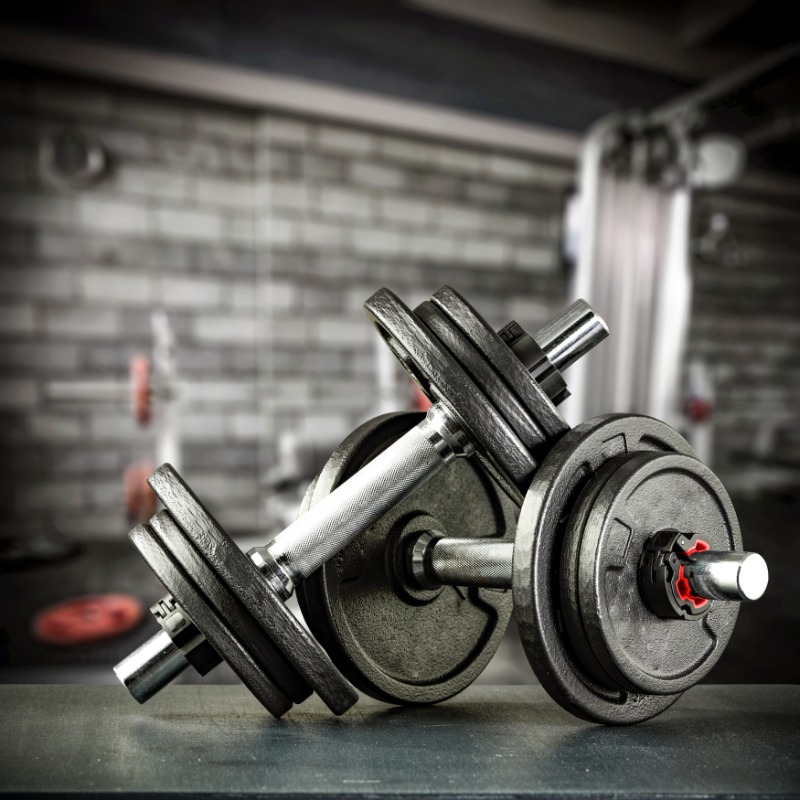
A fantastic home gym doesn’t require enough equipment to rival a commercial fitness center. The goal is to choose machines and accessories that complement your favorite activities without overwhelming the basement. For instance, a stationary bicycle offers an appealing cardio option in a compact area, whereas adjustable dumbbells and a workout bench accommodate numerous strength training exercises.
Equipment dimensions deserve special consideration when ceilings are low. Treadmills elevate users above the floor, and elliptical machines require additional vertical clearance during movement. Manufacturer specifications help homeowners determine whether equipment fits the available dimensions. Multifunctional equipment and compact storage options are useful when several household members share the space. After all, the perfect fitness area is one that encourages everyone to participate.
Install Wall Mirrors To Monitor Exercise Form
Who says mirrors belong exclusively in commercial gyms? A thoughtfully positioned wall mirror offers valuable visual feedback during strength training, dance workouts, and mobility exercises. Seeing body alignment during controlled movements helps individuals recognize potential posture issues.
Large wall-mounted mirrors provide visibility without occupying precious floor space. Safety-backed glass and secure mounting hardware are important considerations, especially in areas containing heavy exercise equipment. Homeowners who prefer a peaceful atmosphere could choose a single mirror instead of covering an entire wall. The objective is to promote awareness of movement.
Design a Dedicated Stretching and Recovery Area
After a demanding workout, having a quiet place to stretch feels like a well-earned reward. Setting aside a section of the basement for gentle movement introduces opportunities to focus on physical recovery and emotional well-being. Even a modest open area accommodates yoga, mobility exercises, or a relaxing meditation session.
A cushioned exercise mat provides a pleasant surface for floor activities, especially when paired with adjustable lighting. Positioning this zone away from heavy equipment helps establish a peaceful atmosphere without interrupting other workouts. A compact storage cabinet can hold yoga blocks and recovery accessories without cluttering the room. This thoughtful arrangement encourages homeowners to embrace both energetic movement and restorative wellness activities.
Turn Your Basement Into a Personal Wellness Space
There’s something empowering about having a fitness environment tailored to your interests. Transforming your unfinished basement into a fitness space is an opportunity to invest in habits that enrich your lifestyle. Whether you’re working toward a strength training goal or finding moments of calm through yoga, a dedicated home gym brings those wellness activities within reach.