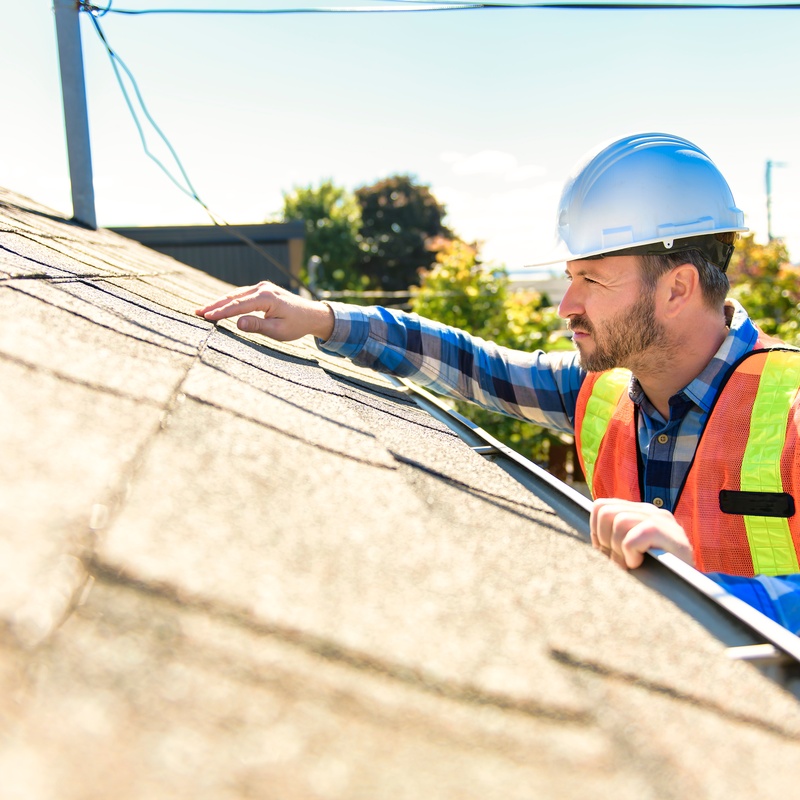
A damaged roof can create problems that extend far beyond a few missing shingles. Knowing the signs you need to call a professional roofer helps you respond before minor damage becomes a larger repair. While homeowners can safely observe their roofs from the ground, climbing onto the surface creates unnecessary risks and may cause additional damage. A qualified roofer can inspect questionable areas, identify the source of trouble, and recommend repairs that protect the home.
You Notice Missing or Damaged Shingles
Shingles form an important barrier between your home and rain, wind, and other outdoor conditions. When shingles crack, curl, loosen, or disappear, the exposed sections of the roof become more vulnerable to moisture. You may notice obvious gaps while standing in the yard or find shingle pieces on the ground after strong winds.
A few damaged shingles might seem like a simple cosmetic problem, but the underlying roof can suffer when those areas remain exposed. Contacting a roofer allows someone with the right training to evaluate the extent of the damage safely.
Water Stains Appear Indoors
Brown or yellow stains on ceilings and walls often indicate that moisture has entered somewhere above the living space. Water can move along rafters and other structural materials, causing a stain to appear far from the actual roof leak.
Ongoing moisture can damage insulation and weaken interior materials. The consequences of not fixing a leaky roof can become increasingly disruptive as water continues moving through the structure. A roofing professional can trace the moisture back to its source and determine what repair is necessary.
Your Roof Is Sagging
A roofline should generally appear straight and even when viewed from outside. If part of the roof dips, bows, or looks noticeably uneven, contact a roofing professional promptly. Sagging may indicate problems with decking or other supporting materials beneath the visible roofing surface.
Because structural concerns require careful evaluation, homeowners should avoid walking on a sagging area. A professional can inspect the roof from appropriate access points and determine what caused the change in shape. Early attention may help prevent the affected area from deteriorating further.
Granules Are Collecting Near Downspouts
Asphalt shingles have protective granules on their surfaces. Some granule loss can occur naturally, especially with a newer roof, but excessive accumulation may signal that shingles are deteriorating.
Significant granule loss can reduce the protection that shingles provide against sunlight and weather exposure. Rather than judging the roof’s condition based only on what appears in the gutters, ask a roofer to examine the shingles themselves. A professional can assess whether the wear reflects normal aging or damage that requires attention.
Flashing Looks Loose or Damaged
Roof flashing helps direct water away from vulnerable areas where different surfaces meet. You commonly find it around chimneys, vents, skylights, and roof valleys. If flashing bends, separates, rusts, or develops gaps, water may find a path beneath the roofing materials.
Flashing problems can be difficult to evaluate from the ground, and attempting a temporary patch may hide rather than solve the underlying issue. A roofer can inspect the surrounding materials and determine why the flashing failed.
Your Attic Shows Signs of Moisture
The attic can reveal roof trouble before damage becomes visible in finished rooms. Damp insulation, darkened wood, or water droplets may point to moisture entering through the roof. You might also notice daylight coming through areas where the roof should remain sealed.
Roof leaks are not the only possible source of attic moisture, so accurate diagnosis matters. Ventilation or condensation problems can sometimes create similar symptoms. A roofer can evaluate the roof components while considering where moisture appears. Identifying the correct source prevents unnecessary repairs and helps you address the condition responsible for the dampness.
Moss or Algae Growth Becomes Widespread
Small amounts of discoloration do not always indicate serious roof damage, but widespread moss deserves attention. Moss can retain moisture against roofing materials and may work beneath shingle edges as it grows. Aggressive scraping or pressure washing can also damage shingles, making do-it-yourself removal risky.
A professional roofer can determine whether growth has affected the roofing material and recommend an appropriate response. The inspection may reveal areas where moisture tends to linger because of shade or drainage conditions. Addressing the growth carefully protects the roof while avoiding cleaning methods that could shorten the life of the shingles.
Your Energy Bills Rise Unexpectedly
A sudden change in heating or cooling costs can have many causes, but roofing problems may contribute when they affect insulation or ventilation. Moisture entering the attic can reduce insulation performance, while ventilation issues can make it harder to control indoor temperatures.
If higher energy use appears alongside roof damage or attic moisture, consider scheduling a roofing inspection. A roofer can check whether the roofing system shows conditions that may affect the attic environment.
The Roof Has Experienced Severe Weather
High winds, hail, and falling branches can damage a roof even when everything looks normal from the yard. Storm damage may loosen shingles or affect flashing without creating an immediate indoor leak. Waiting for water to appear can give hidden damage time to worsen.
After severe weather, look for visible changes from a safe location and check the property for fallen roofing material. If you suspect damage, arrange a professional inspection rather than climbing onto the roof yourself. A roofer can examine areas that are difficult to see and identify problems that deserve repair before the next storm brings additional exposure.
Your Roof Is Approaching the End of Its Service Life
Every roofing material eventually wears down. If your roof has been in place for many years, recurring repairs or visible deterioration may indicate that it needs a comprehensive assessment. Age alone does not automatically mean replacement is necessary because installation quality and environmental exposure influence roof condition.
A professional inspection gives you a clearer picture of how the roof is performing now. The roofer can identify worn areas and explain whether repairs remain practical. This information helps you plan ahead instead of waiting for a sudden leak to force an urgent decision.
Protect Your Home With Timely Roofing Help
Recognizing the signs you need to call a professional roofer allows you to address concerns before they spread into other parts of your home. Missing shingles, indoor water marks, unusual rooflines, and other changes deserve careful attention rather than guesswork. When something appears damaged or simply does not look right, a professional inspection can clarify the roof’s condition and identify an appropriate repair. Acting promptly helps preserve the roofing system and gives your home dependable protection against changing weather.