
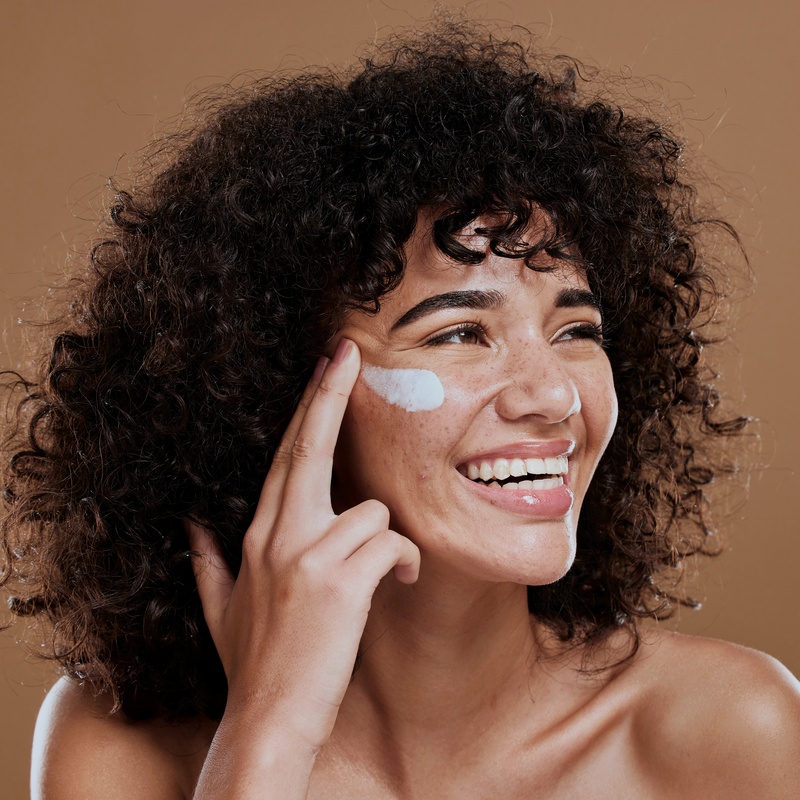
Uneven skin tone can appear as dark spots, redness, dull patches, or areas that look slightly darker than the rest of the face. Sun exposure, acne scars, irritation, and natural pigmentation changes often contribute to these differences in color and texture. Understanding how to care for your skin properly can make a noticeable difference over time. If you are wondering how to achieve even skin tone on your face, consistent skincare habits, protective routines, and targeted treatments can help restore balance and brightness.
Build a Consistent Skincare Routine
Healthy skin begins with a simple and consistent routine. Cleansing your face twice a day removes oil, dirt, and environmental pollutants that can contribute to discoloration and irritation. After cleansing, applying a gentle exfoliating product helps remove dead skin cells that make the complexion appear uneven or dull.
Hydrating serums and moisturizers also play an important role in maintaining balanced skin. When the skin barrier stays strong and well-hydrated, it recovers more efficiently from inflammation or blemishes that might otherwise leave lingering marks.
Protect Your Skin From Daily Sun Exposure
Sun exposure is one of the most common causes of uneven pigmentation. Ultraviolet rays stimulate excess melanin production, which can lead to dark spots and discoloration over time. Daily sun protection helps prevent new uneven areas from forming and keeps existing spots from becoming darker.
Apply a broad-spectrum sunscreen every morning and reapply when you spend extended time outdoors. Wearing hats or seeking shade during peak sunlight hours also helps protect the skin. Consistent sun protection allows other skincare treatments to work more effectively.
Target Discoloration With Professional Treatments
Sometimes uneven tone requires more advanced care beyond daily skincare. Dermatology clinics offer several treatment options that help reduce stubborn pigmentation and improve overall skin clarity.
Chemical peels and specialized facials can help remove damaged surface cells and encourage fresh skin to appear. Dermatologists may also recommend cosmetic laser procedures that improve skin quality to help resurface the skin and support healthier cell renewal. These treatments often reduce visible discoloration, smooth uneven texture, and restore a more balanced complexion when performed by trained professionals.
Support Skin Health With Gentle Habits
Daily habits can influence how quickly your skin improves. Avoid picking at acne or irritated areas because this can trigger inflammation and lead to darker marks during the healing process. Using calming skincare products and maintaining a balanced diet also supports overall skin recovery.
Adequate hydration and sleep allow the skin to repair itself more efficiently. Over time, these supportive habits help maintain smoother, brighter skin with fewer uneven patches.
Maintaining Long-Term Skin Balance
Achieving even skin tone on your face usually requires patience and consistent care rather than quick fixes. A steady skincare routine, reliable sun protection, and occasional professional treatments can gradually improve skin clarity and texture. By combining healthy habits with targeted solutions, many people can see noticeable improvement over time.