
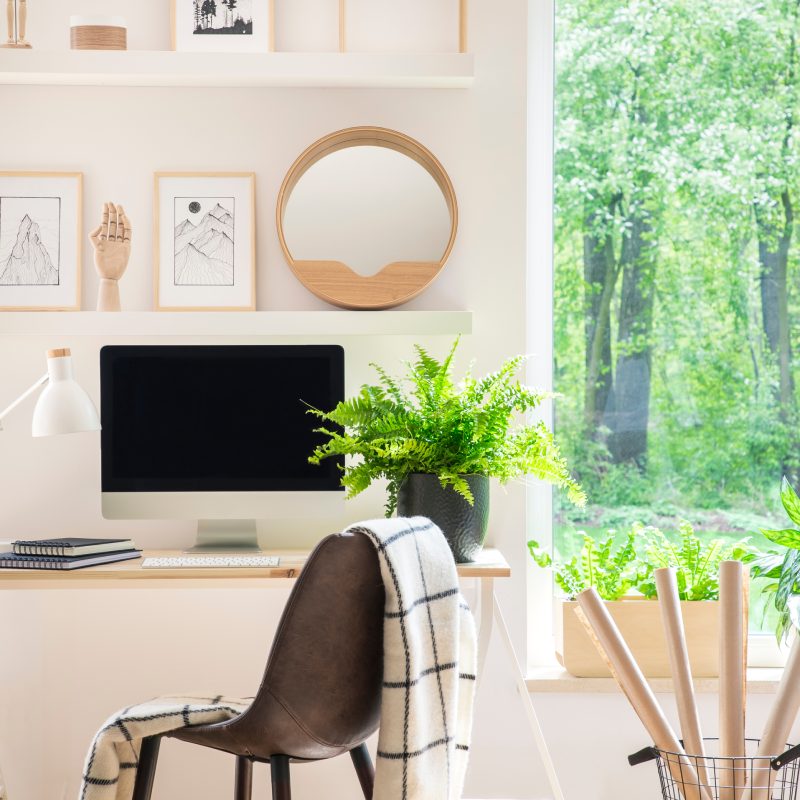
Setting up a home office doesn’t have to drain your savings. You can create a space that feels comfortable, looks polished, and helps you stay productive without chasing every trendy desk upgrade online. A budget-friendly home office setup starts with clear priorities and a bit of creativity.
Before you buy anything, think about how you work each day. If you spend hours on video calls, focus on lighting and a dependable chair. If you handle paperwork, look for a desk with enough surface space. When you match your setup to your routine, you avoid wasting money on extras you won’t use.
Use What You Have
A low-cost home office often starts with items you already have at home. A sturdy dining table, a small bookshelf, or a lamp from another room can all serve a new purpose. Repurposing furniture cuts costs quickly and helps you build the space one step at a time.
Look closely at the room before shopping. You may already have storage baskets, extension cords, or wall art that can bring the space together. Small adjustments can make a spare corner feel like a real workspace without a major investment.
Spend on the Essentials
Some pieces deserve more attention than others. A supportive chair can make long workdays easier, and a stable desk gives you a better foundation than a flimsy option that wobbles every time you type. Start with the basics that affect comfort and function.
After that, move on to practical accessories. A desk lamp, a simple monitor stand, or a keyboard tray can improve your workflow without straining your budget. Keep your purchases focused on tools that solve a problem rather than filling space.
Shop With a Plan
Impulse buys can quickly wreck a budget. Set a spending limit before you shop, then break it into categories such as furniture, lighting, and tech. That approach keeps you focused and helps you compare options without getting distracted by flashy upgrades.
Secondhand finds can also stretch your budget. Local resale shops, online marketplaces, and clearance sections often carry quality pieces at a fraction of retail price. Completing your workstation with refurbished gear can also make a big difference when you need a monitor, laptop, or accessories without paying full price.
Keep It Simple
A home office works best when it feels clean and easy to use. Too many decorations or gadgets can make the space feel cramped and distracting. Stick with a few useful items and a simple layout that gives you room to think.
Cable organizers, drawer bins, and a small plant can add order and personality without adding clutter. When the setup feels calm and functional, it becomes easier to settle in and get things done.
Wrap It Up
A budget-friendly home office setup doesn’t need fancy furniture or expensive tech to work well. It needs thoughtful choices, practical essentials, and a layout that supports your daily tasks. With a little planning, you can build a workspace that looks good, feels comfortable, and keeps your finances in a better place.