
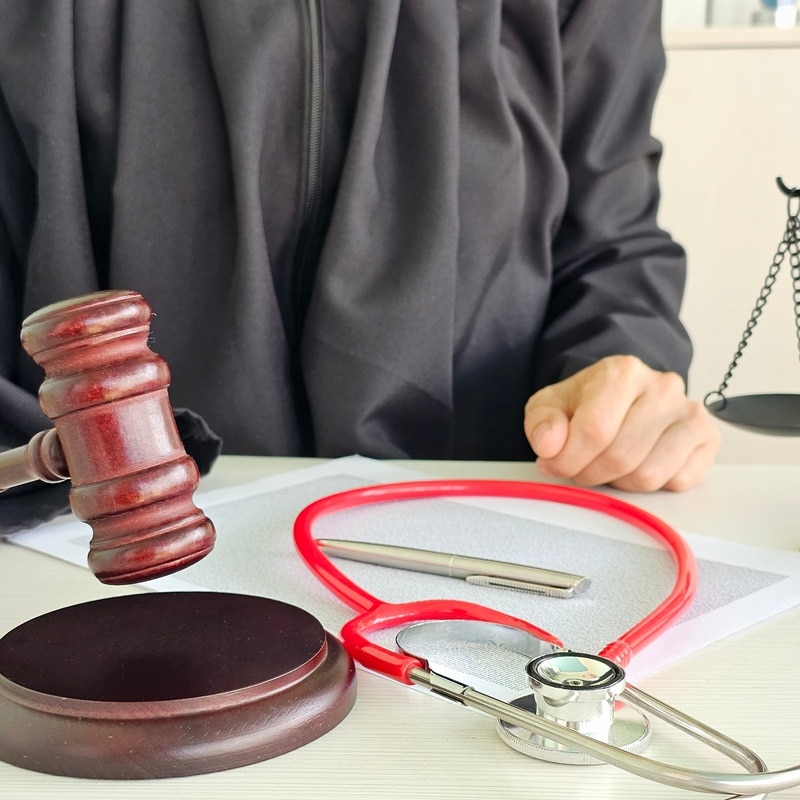
Medical negligence represents a serious breach of trust between healthcare providers and patients who rely on their expertise for safe treatment and recovery. When a doctor, nurse, or hospital fails to meet the accepted standard of care, the consequences can alter a patient’s life forever.
Victims often find themselves grappling with new physical ailments, emotional trauma, and unexpected financial burdens that arise from substandard medical attention. Understanding when to seek help from medical negligence allows you to recognize when your care is under acceptable legal and professional benchmarks.
The Definition of Standard of Care
Doctors must adhere to a specific level of competence and caution that other professionals in the same field would exercise under similar circumstances. If a physician deviates from this established norm and causes harm to a patient, the law considers such actions as medical negligence. To prove a case, a lawyer will demonstrate how the medical provider failed to act as a competent peer would have in that situation.
Failure to Diagnose or Misdiagnosis
A doctor who fails to identify a serious condition prevents a patient from receiving timely treatment that could have improved their health outcome. This form of negligence often leads to the progression of a disease that might have been manageable or curable with early detection. Proving this claim requires showing that a competent doctor would have correctly diagnosed the condition based on the symptoms presented at the examination.
Surgical Errors and Mistakes
Surgeons sometimes operate on the wrong body part or leave foreign objects inside a patient, which causes severe complications and requires additional surgeries. These errors often stem from a lack of communication among the surgical team or a failure to follow safety protocols before the procedure. Victims of surgical mistakes face long recovery periods and often suffer permanent disabilities that impact their ability to work and enjoy life.
Medication and Prescription Errors
Pharmacists and doctors must ensure that patients receive the correct medication and dosage to avoid dangerous interactions or severe allergic reactions. A simple error in a prescription script can lead to catastrophic health consequences if the patient consumes a drug meant for someone else. Exploring the reasons to hire a wrongful death attorney will help you navigate the complexities if a medication error leads to the tragic loss of a loved one.
Birth Injuries and Complications
Medical professionals must monitor the mother and the baby during labor to prevent injuries that can cause lifelong disabilities like cerebral palsy. Failure to respond to signs of fetal distress or to perform a necessary cesarean section constitutes negligence if it results in harm to the child. Seeking legal help after medical negligence can provide a way for families to secure the funds needed to support their child and hold negligent providers accountable for their actions.
Recognizing the signs of medical negligence empowers patients to seek justice and compensation for the harm. Legal action provides financial relief and encourages the medical community to improve safety standards and prevent future errors.
If you suspect that you or a loved one has been a victim of malpractice, consult with a qualified attorney immediately. Do not hesitate to assert your rights and demand accountability from those who failed to provide the care you deserved.